
Salam Alaikum dear brothers and sisters. I hope you all are doing well—individually and together.
Recently, I came across a short video that said:
“I don’t worship a woman’s feelings.”
It featured a well-known Muslim speaker. The context wasn’t clear—but it sparked a deep reflection in me.
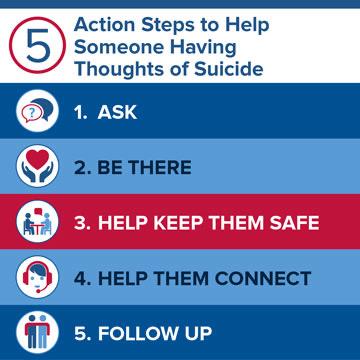
Because not long after, a sister reached out—struggling with suicidal thoughts.
Of course, I supported her as best as I could, within my abilities and across the distance between us.
Each time something like this happens, I pause and reflect:
*How much silent pain must someone carry to reach that point?*💔
*What layers of exhaustion or emotional distance build up—often unnoticed, even in a marriage?*⚡️
This isn’t just about crisis.
It’s about mental health, emotional safety, and how we—as spouses—respond to one another with care and compassion.
Islam doesn’t dismiss emotions.
The Prophet Muhammad (peace be upon him) cried, grieved, sat with others in pain, and listened with presence.
He didn’t rush people to “fix” themselves. He made space for their hearts.
So if you or your spouse feel tired, anxious, or numb—please don’t stay silent.
You’re not weak. You’re not broken.
You’re human. And you’re not alone.
Each story is different. Each heart carries its own weight.
That’s why it matters so much to pause and gently ask each other:
“How are you feeling today?”
And to listen—not to fix, but simply to be present.
*Don’t ignore the signs*—stress, withdrawal, mood swings. These are quiet cries for support.
And *don’t ignore your body’s early signals*—anxiety, fatigue, numbness—these are gentle calls to slow down, reach out, and reflect.
*And please remember: it’s your responsibility to ask for help.*‼️
You matter—and seeking support is a sign of strength, not failure.
Let’s also be honest—
Sometimes, people shut each other down when someone says, “I’m not okay.”
They change the subject, offer quick advice, or even say, “I don’t care,” and start blaming.
Not always out of cruelty—but often out of fear.
Fear of emotions, of not knowing what to do, or of confronting their own discomfort.
But pain doesn’t disappear when we avoid it. It only grows lonelier.
*And as a couple, you can change that.*❤️
You can be that safe space for each other.
Just pay attention—to each other’s needs, words, silences, and subtle cues.
You don’t have to fix everything.
Sometimes, your calm presence is the most healing gift.
Let’s create homes where it’s safe to say:
“I’m not okay.”
And where the answer is not judgment—but mercy.
Because sometimes healing begins with one simple sentence:
“I see you. I hear you. I’m here for you.”
*Wishing you both peace, gentleness, and the kind of love that feels like safety again.*🤲🏻
*And if that feels far away—start small steps. Start today. Together.*❤️