
Dear brothers and sisters,
I hope you are all feeling well as we begin the blessed month of Ramadan.
I just wanted to share several advices with you from my side. While there are many discussions about what to eat and what to avoid during Ramadan, I’d like to share some guidance from a holistic perspective and my personal experience.
✅ Start with Warm or Hot Water When Breaking or Opening Your Fast
When breaking and opening your fast, start with warm or even hot water. Ideally, water should always be warmer than room temperature. If that’s not possible, at least avoid drinking cold tap water, as it can shock your digestive system and slow down digestion.
✅ Make Warm Water a Daily Habit
Try to drink warm or hot water 30 minutes before each meal to prepare your digestive system. This habit I highly recommend even outside of fasting, as it can be life-changing for those suffering from digestive tract issues like acid reflux, bloating, constipation, and indigestion. Warm water helps to relax the digestive muscles, promote smoother digestion, and reduce acidity in the stomach.
✅*Avoid drinking water immediately after meals*, as it can dilute digestive enzymes and slow digestion. However, if you eat very dry food, a few sips of warm water are okay. It’s also best to avoid coffee and tea with meals or immediately after eating, as they can interfere with nutrient absorption and digestion.
✅*Herbal Teas for Digestion & Hydration*
Drinking herbal teas such as coriander seed or leaf tea before eating can be highly beneficial. Coriander supports digestion, reduces bloating, and helps regulate blood sugar. It also has a cooling effect, which can be refreshing after fasting. Simply steep coriander seeds or fresh leaves in warm water for a gentle and soothing drink.
Other excellent digestive-supporting teas include:
• Fennel seeds – Helps reduce bloating, gas, and indigestion.
• Cumin seeds – Supports gut health and improves digestion.
• Caraway seeds – Relieves bloating, cramps, and supports digestion.
You can steep these seeds individually or mix them together for a powerful digestive tea, especially beneficial after fasting.
✅*Eat in Moderation and Choose Nutrient-Dense Foods*
I am not here to prohibit any food, but consuming healthier and smaller portions will help your digestion. Many Muslims tend to open their fast with pastries, fried foods like samosas and spring rolls, or even pizza. However, after a long day of fasting—when your body has been cleansing itself—introducing trans fats and processed foods is like undoing the benefits of fasting.
✅ Incorporate Fresh, Raw Foods Like Parsley & Tabbouleh
Culturally, many Muslims eat very little or no raw salad. However, breaking your fast with light, easy-to-digest foods such as porridge, eggs, talbina (barley porridge), and raw leafy salads can be more beneficial for your health.
• *Tabbouleh or parsley*-based dishes are excellent choices as they are rich in vitamins A, C, and K, plus iron and antioxidants, which help replenish nutrients lost during fasting.
• Parsley also aids digestion and acts as a natural detoxifier, helping flush out toxins. It balances heavier foods and supports gut health.
✅ The Right Way to Eat Fruits When Breaking Your Fast
If your fast is short (12-16 hours), fruits may be fine, but each person should listen to their body.
However, for long fasts, avoid breaking them with sweet or acidic fruits, as they can spike blood sugar, cause bloating, and slow digestion. Instead, start with warm water or herbal tea, followed by light, easily digestible foods like soup, porridge, eggs, or talbina. If eating fruits, choose soft, fiber-rich options like soaked dates, prunes or papaya. Eat fruits and nuts between meals and do not mix different types for better digestion.
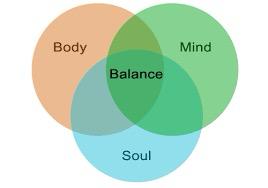
✅*Human Beings Are More Than Just Physical Bodies*
We do not have just one physical body—*we also have subtle bodies*, which include our emotional, mental, and spiritual states. Just as we cleanse our physical bodies, it is important to clean and nourish our subtle bodies as well.
• Cleansing the mind and emotions – Reduce stress, negative thoughts, and excessive distractions. Use Ramadan as a time for self-reflection, gratitude, and emotional healing.
• Feeding the soul 🤲🏻– Engage in prayer, meditation, contemplation, self-reflection, and spiritual practices that bring you inner peace.
• Practicing inner discipline – Fasting is not just about abstaining from food but also from anger, gossip, and negativity. This is a time to refine our character and cultivate patience, kindness, and gratitude.
7. Ramadan Is the Perfect Time to Change at Least One Habit
Ramadan is a time for transformation. It is the perfect opportunity to change at least one habit—whether it is related to your diet, your daily routine, or your mindset.
• For one person, it might be cutting down on sugar or processed foods.
• For another, it might be reducing negative self-talk or breaking free from distractions.
• For someone else, it could be adding more prayer, dhikr, or mindfulness into their day.
Even a small change can have a lasting impact if done consistently.
Use this blessed time to reset and realign your physical, emotional, and spiritual well-being.
8. Listen to Your Body
Everyone’s body is different. If you ever feel unwell or your health declines, don’t hesitate to adjust your approach to fasting. I have seen many Muslims unknowingly and even knowingly harm their health by ignoring their body’s needs. Prioritize balance and well-being.
*May this Ramadan be a time of spiritual and physical renewal for all of us. 🤲🏻Take care and stay healthy!*❤️